MARY SEACOLE

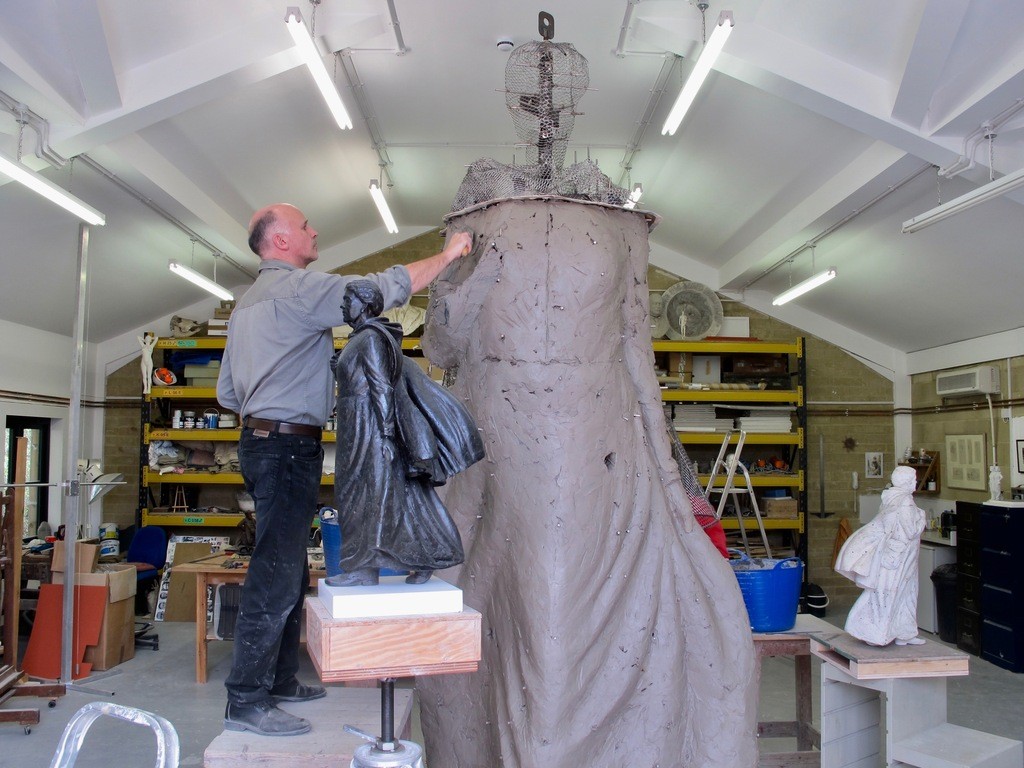
Photo Steve Russell Studios
Among the earliest-recorded battlefield nurses, Mary Seacole travelled from her home in Jamaica to bring her medical expertise to the care of British soldiers wounded in the Crimean War. With African heritage on her mother's side she experienced considerable prejudice on account of her skin colour, being refused the opportunity to work with Florence Nightingale's team and consequently having to make her way independently. By the end of the war she had won widespread renown among British troops and in the country at large.
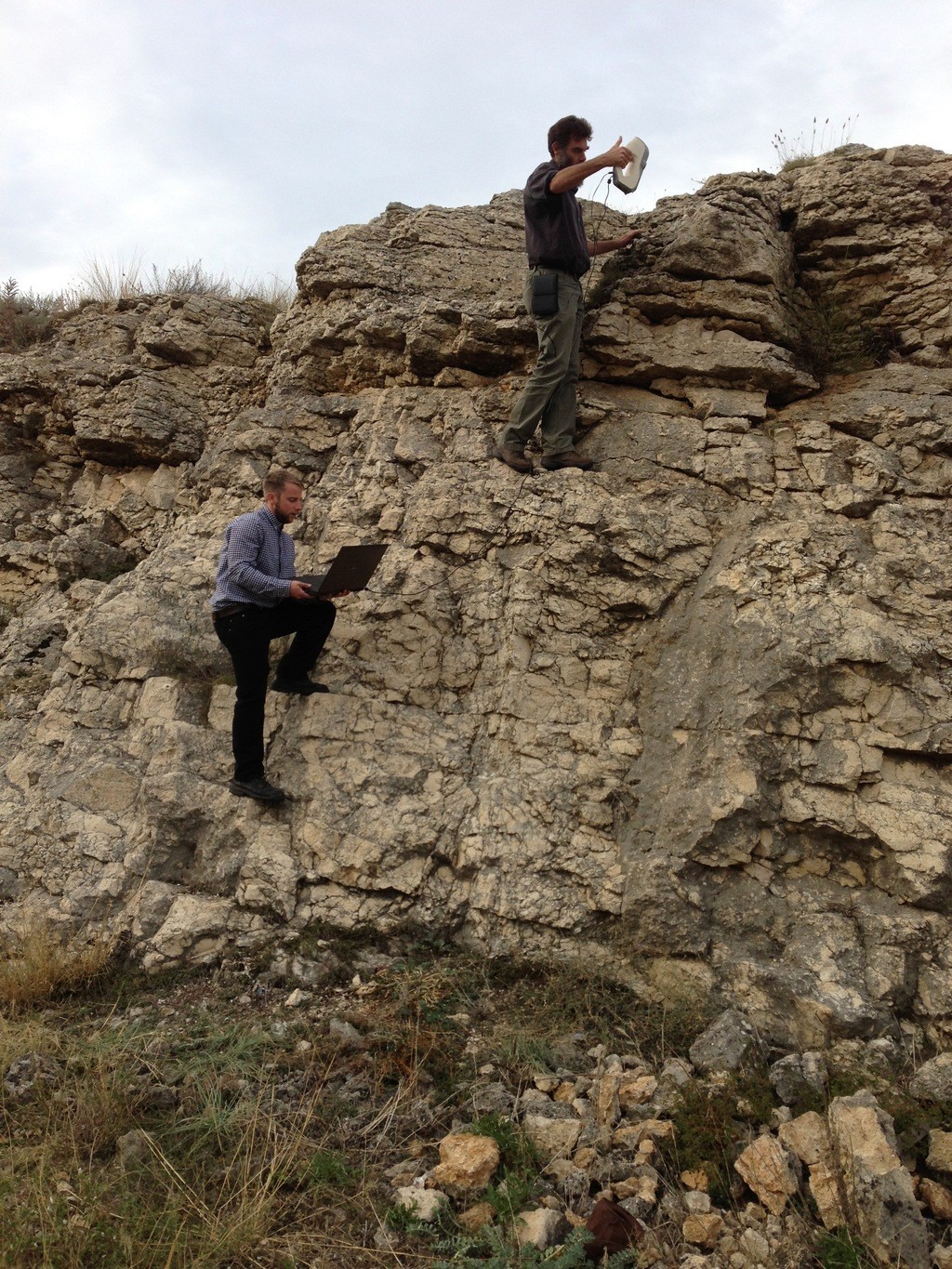
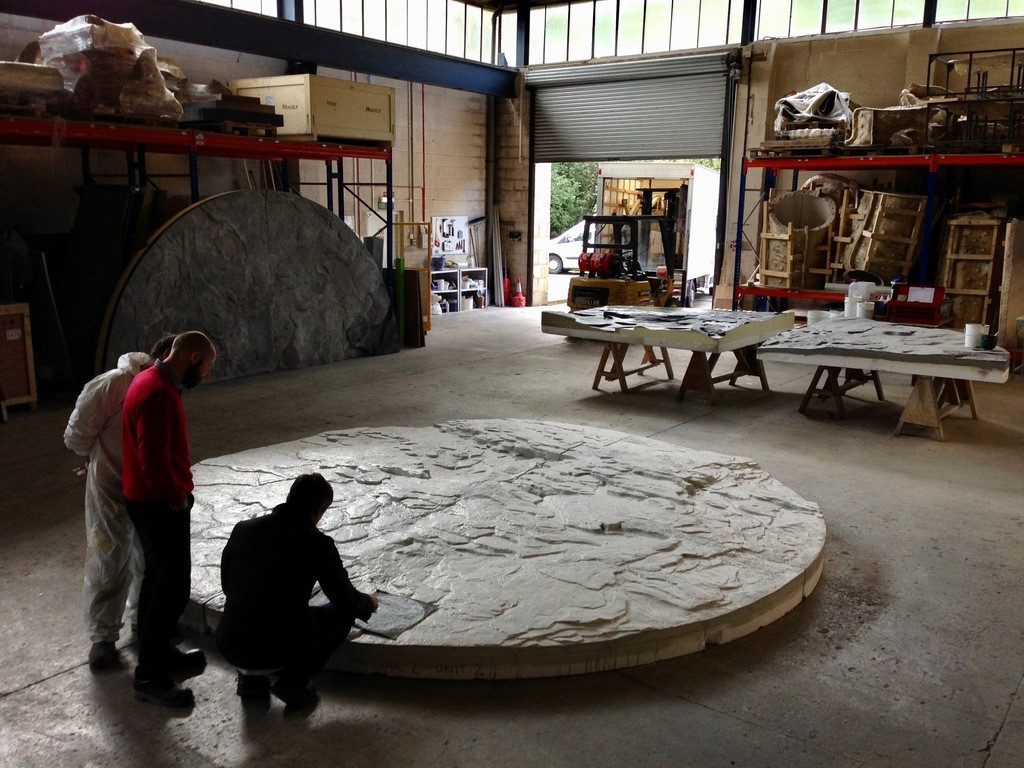
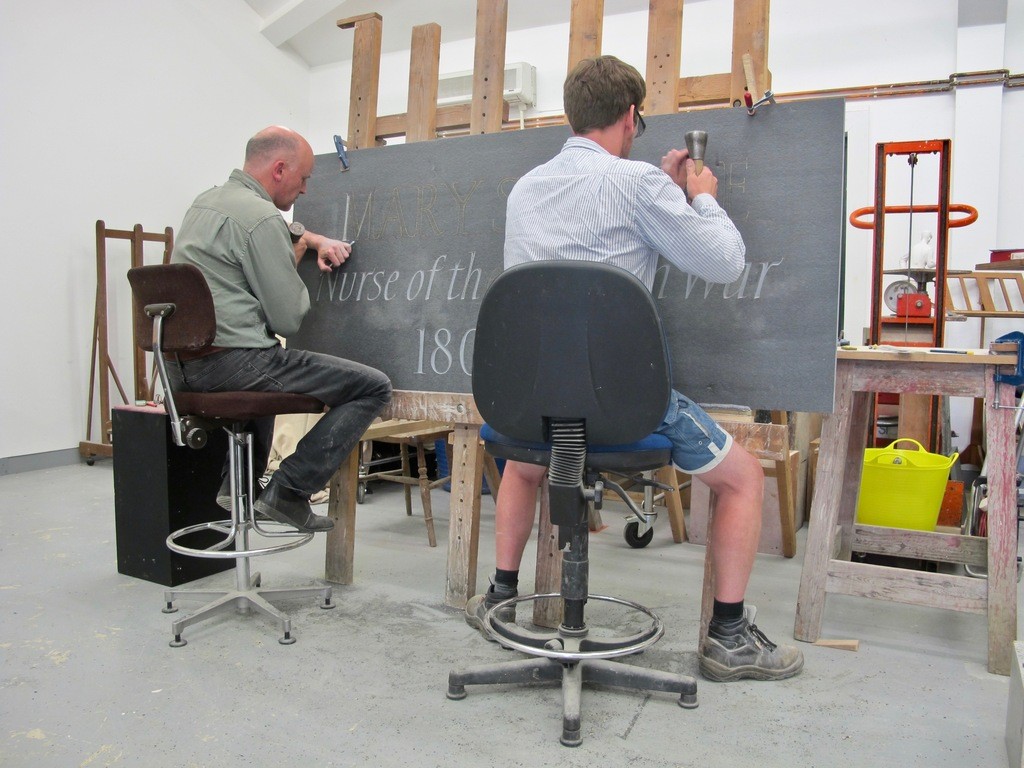
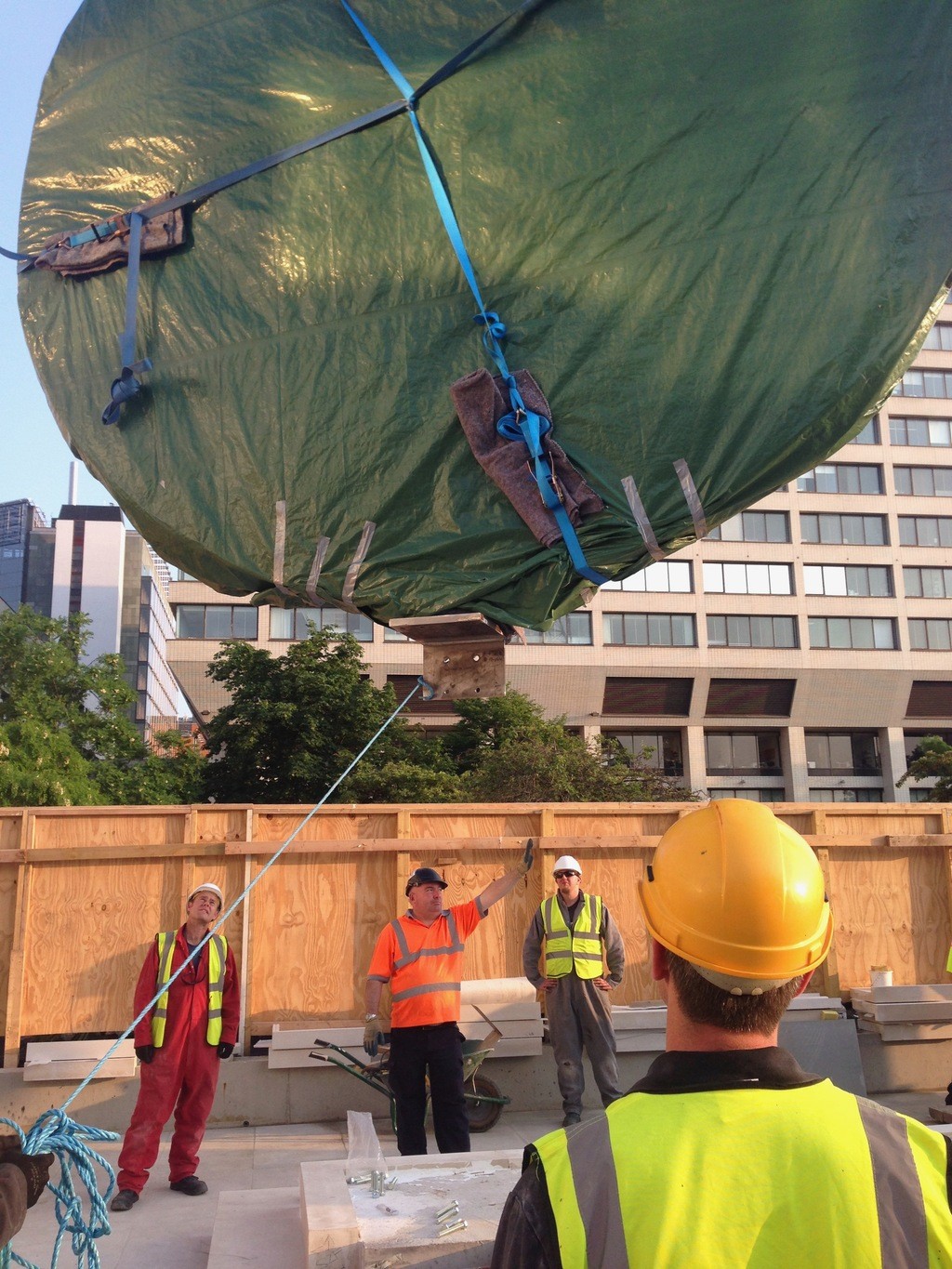
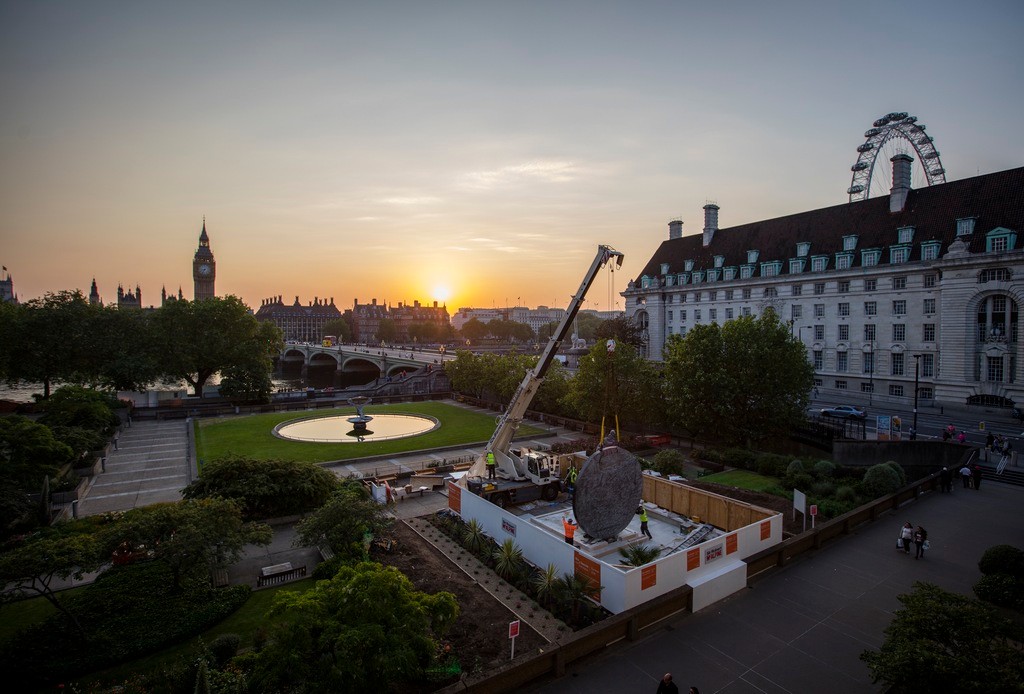
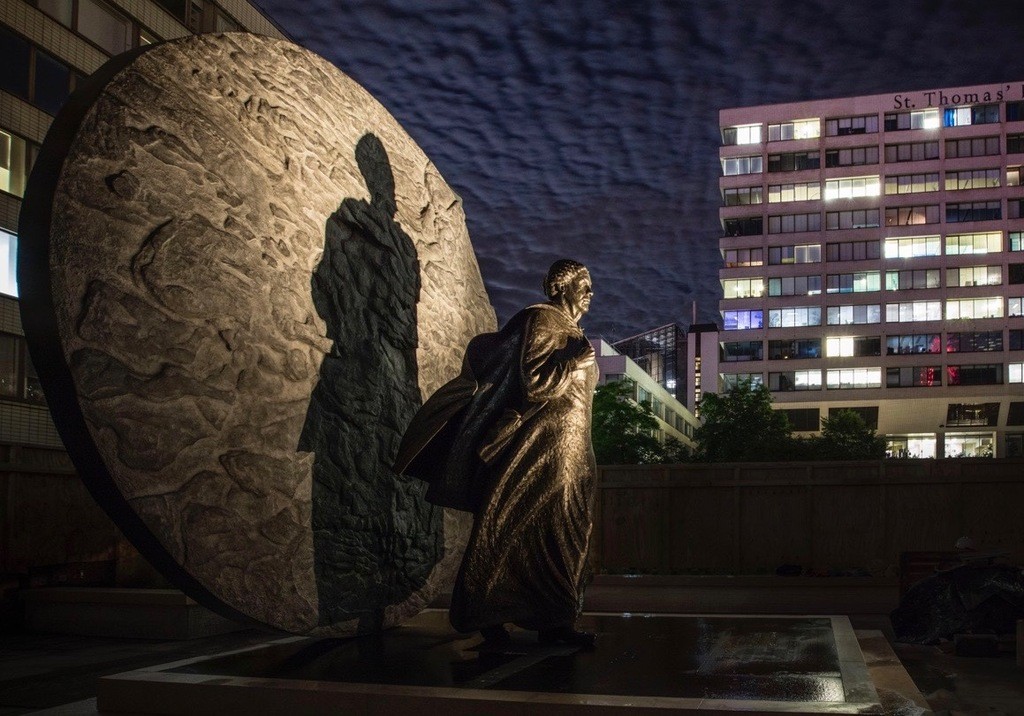
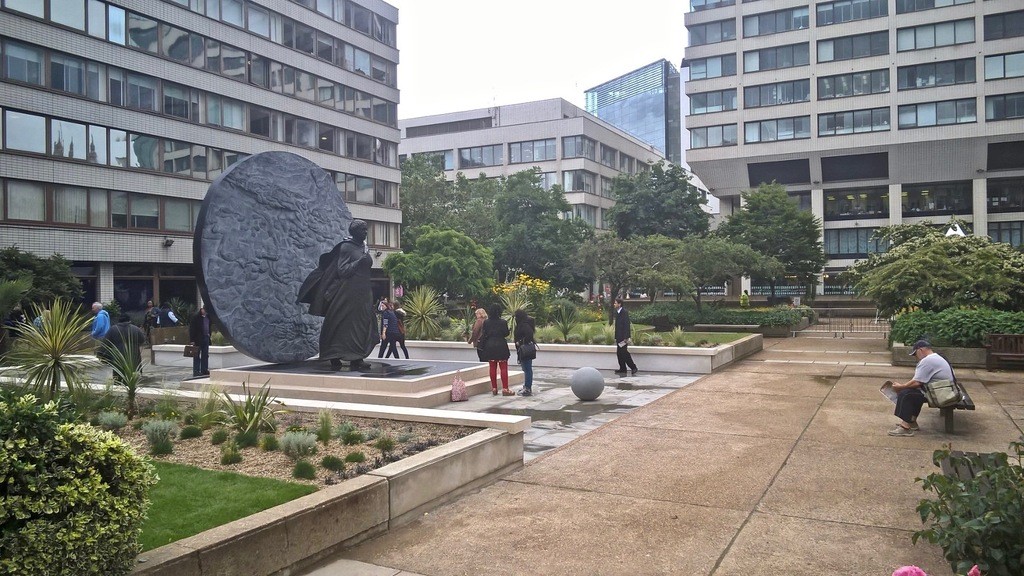
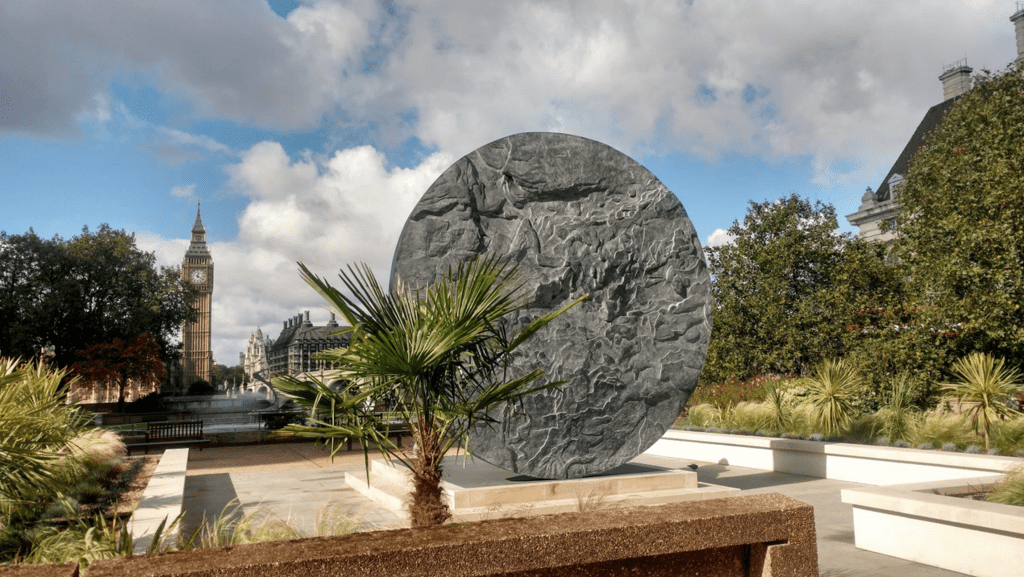
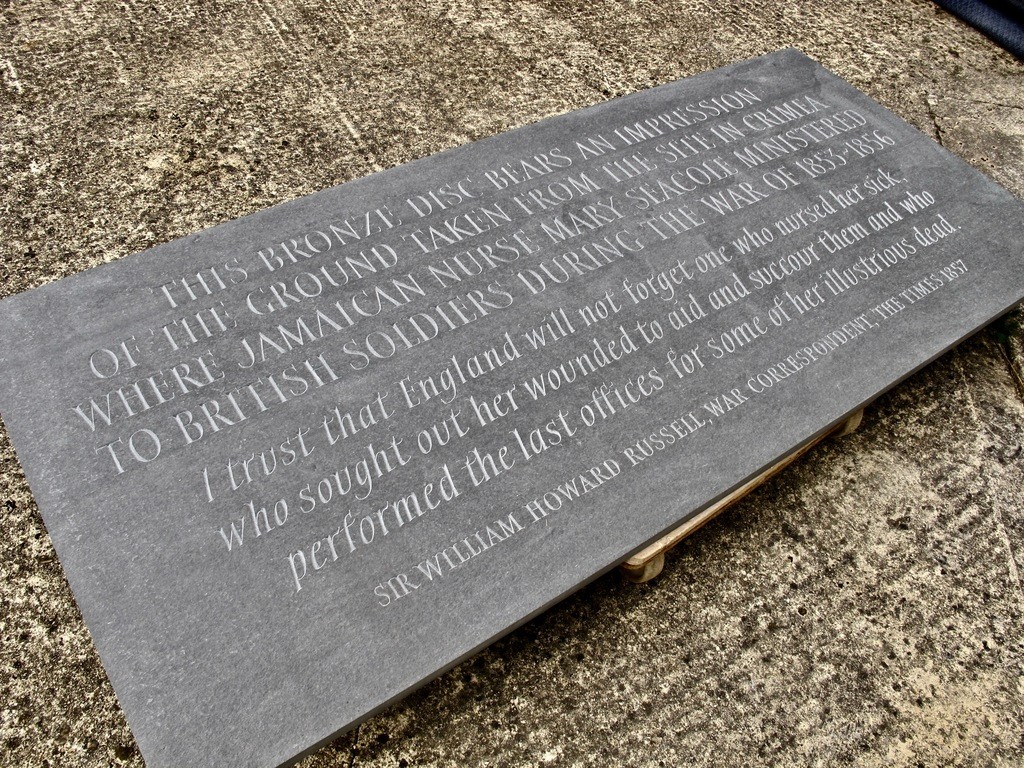
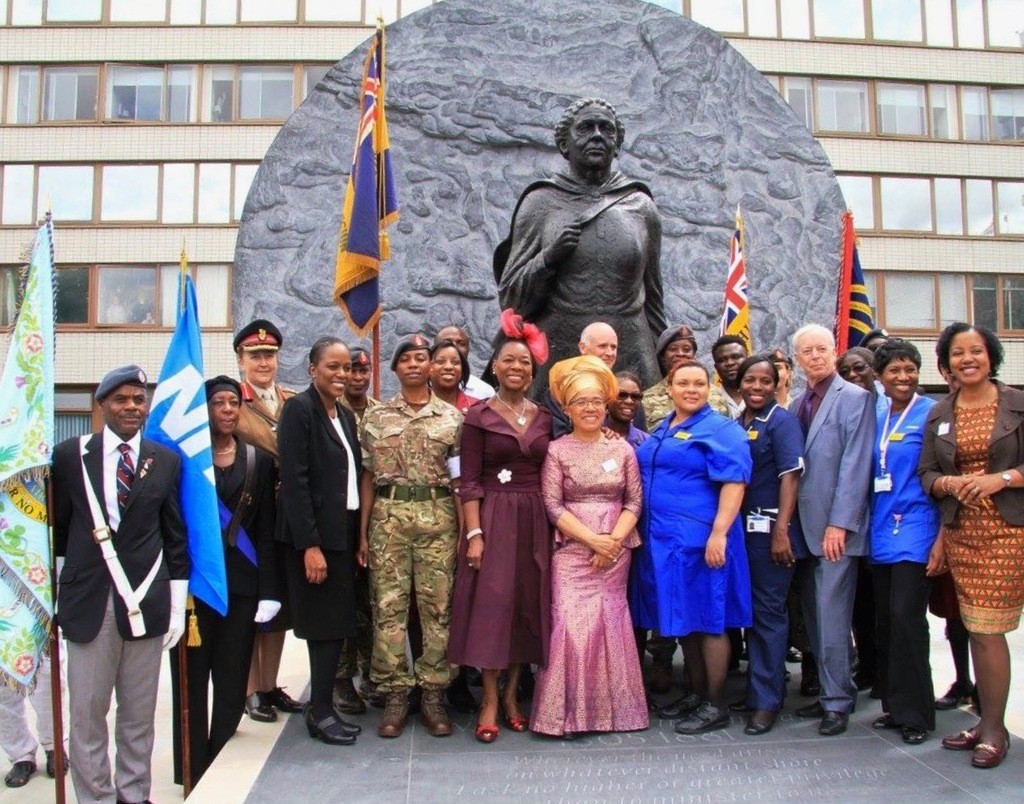
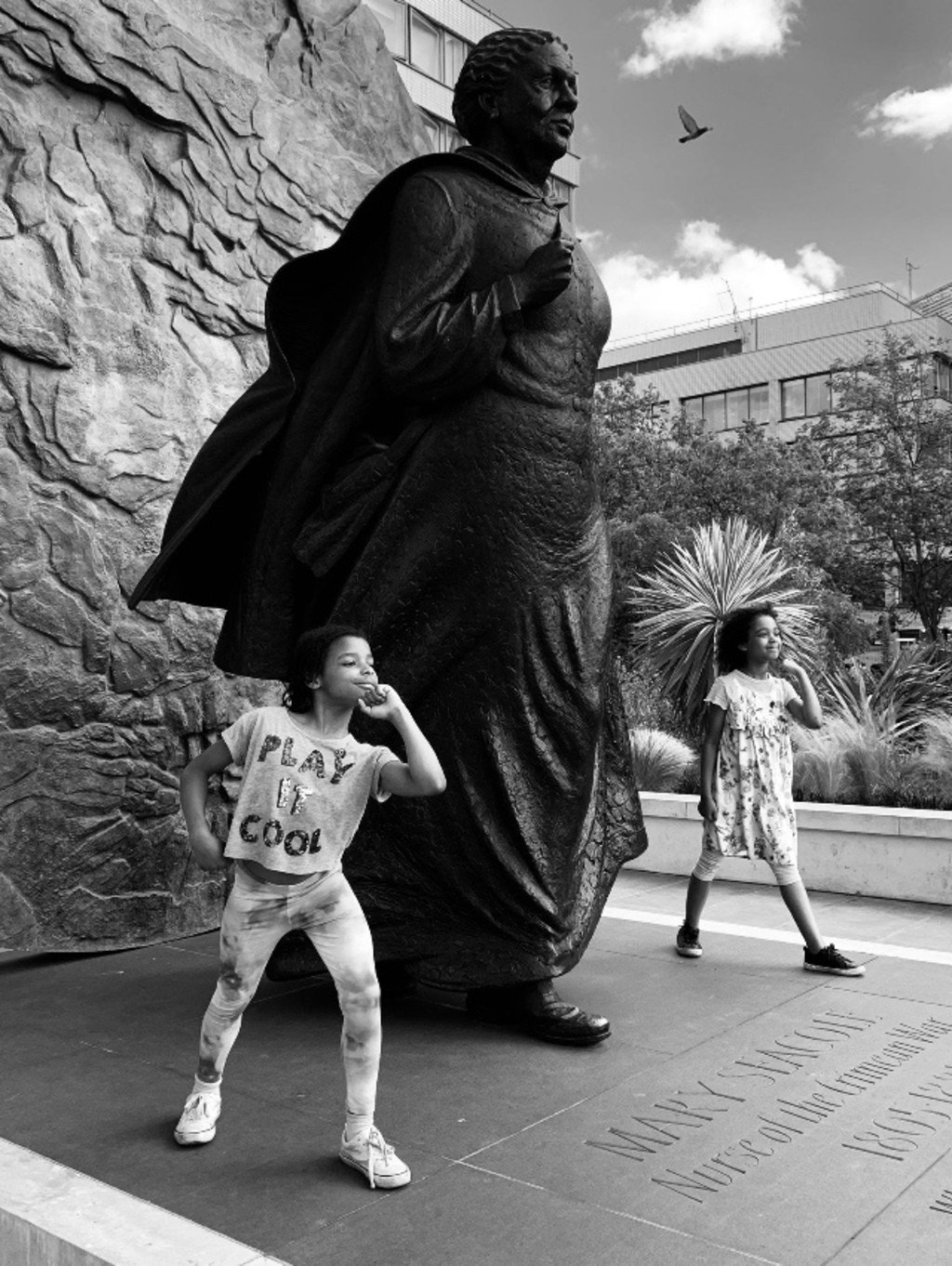
A site was chosen for a monument to her alongside Westminster Bridge and facing the Houses of Parliament. Seacole is depicted marching defiantly forwards as if into an oncoming wind. Her figure is illuminated at night and casts its shadow onto a rocky disc behind her, symbolic of the "stonewalling" she experienced in attempting to pursue her vocation. The disc was cast in bronze from an impression of a rockface at the site of her base in Crimea.
Seacole's life story is now taught in British schools. Her bronze statue was the first of a named black woman in Britain and her legacy is built on by the Mary Seacole Trust to inspire young black women and girls and to promote diversity in the British workplace.